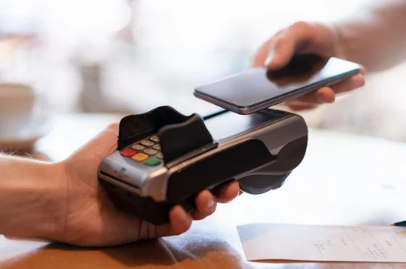
For years, contactless card payments in the UK have come with a hard cap: £100 per tap. Whether you were paying for a weekly shop, a train ticket, or a last-minute purchase, that limit applied to everyone, everywhere.
From March 2026, banks and card providers will be allowed to offer higher contactless limits, or even remove the limit entirely for single card payments. More significantly, many customers may soon be able to decide for themselves how contactless works on their own cards, including setting a personal limit or switching the feature off altogether.
It is a subtle shift, but an important one. Instead of one national rule, contactless payments could become something you actively control.
So what’s actually changing?
Until now, the £100 limit has been fixed across the board. Under the new approach, banks and card providers will have more flexibility in how contactless payments are set up. Some may keep the existing cap. Others may raise it. Many are expected to offer customers more control through their banking apps, allowing people to choose what level of convenience and security feels right for them.
The change has been confirmed by the UK’s financial regulator, the Financial Conduct Authority, which says the intention is to modernise payments while keeping consumer protections firmly in place. The regulator has also made clear that it does not expect banks to rush into sudden changes, meaning the £100 limit is unlikely to disappear overnight.
Haven’t contactless limits gone up before?
Yes — and the increase over time has been striking. When contactless payments were first introduced in 2007, the limit was just £10. Over the following years it rose steadily, reflecting growing confidence in the technology and changing spending habits. The most dramatic jump came during the Covid pandemic, when limits were raised to reduce physical contact, eventually reaching £100 in 2021.
What once felt unfamiliar or risky is now routine for millions of people, which helps explain why regulators believe a more flexible system may be appropriate.
There is also an important distinction many people are unaware of. Contactless payments made by smartphone already have no spending limit. That is because phone payments rely on extra security such as fingerprint scans or facial recognition. Physical cards do not have those protections built in, which is why proposals to raise card limits have attracted closer scrutiny.
Convenience versus caution
Despite the promise of greater convenience, many consumers are uneasy about the idea of higher or unlimited card payments. Consultation responses showed that a clear majority of people were content with the existing £100 limit and saw no strong need for change.
The concerns are easy to understand. Higher limits could make lost or stolen cards more appealing to thieves. They may also encourage impulse spending, especially when paying by credit card, where it is easier to lose sight of how much is being borrowed rather than spent. For people already managing debt, that frictionless tap-to-pay experience can be a genuine risk.
Financial abuse charities have raised more serious warnings. Unlimited contactless spending could allow an abuser to drain an account quickly and quietly, particularly where online banking access is monitored or controlled. There are also fears that accelerating the shift away from cash could disadvantage people who rely on notes and coins as a source of privacy or independence
Regulators and banks stress that existing safeguards are not being removed. Cards will still require a PIN after a series of contactless payments, transactions will continue to be monitored for suspicious activity, and customers who lose money to fraud should still be reimbursed under existing protections.
Banks, represented by UK Finance, say that any changes will be introduced cautiously, with security and fraud prevention remaining central to how contactless payments operate.
In practice, this means higher limits do not automatically mean higher risk, but they do place greater importance on customers understanding and managing their settings.
What should customers do now?
For the moment, nothing needs to change. However, as banks begin updating their apps and card settings over the coming months, it will be worth checking what options are available. Some people will welcome the ability to raise their limit for convenience. Others may prefer to keep a tight cap, or disable contactless entirely, particularly on cards carried daily.
The takeaway
This change is not about forcing people into unlimited contactless spending. It is about choice.
For those who value speed and ease, higher limits may soon be an option. For those who prefer stronger controls, friction, or the reassurance of entering a PIN, those safeguards should remain available.
As with most money decisions, the smartest setting is the one that matches your habits, your risk tolerance, and your peace of mind. A few minutes spent reviewing your card settings could soon be just as important as choosing a strong PIN.
If you want this adapted for a specific outlet, tightened into an op-ed, or softened further for a general-interest audience, say the word and I’ll reshape it.
Disclaimer: This article is for general information only and does not constitute financial advice. Contactless payment features, limits, and protections vary by bank and card provider. Readers should check their own bank’s terms and settings before making changes to their payment options.